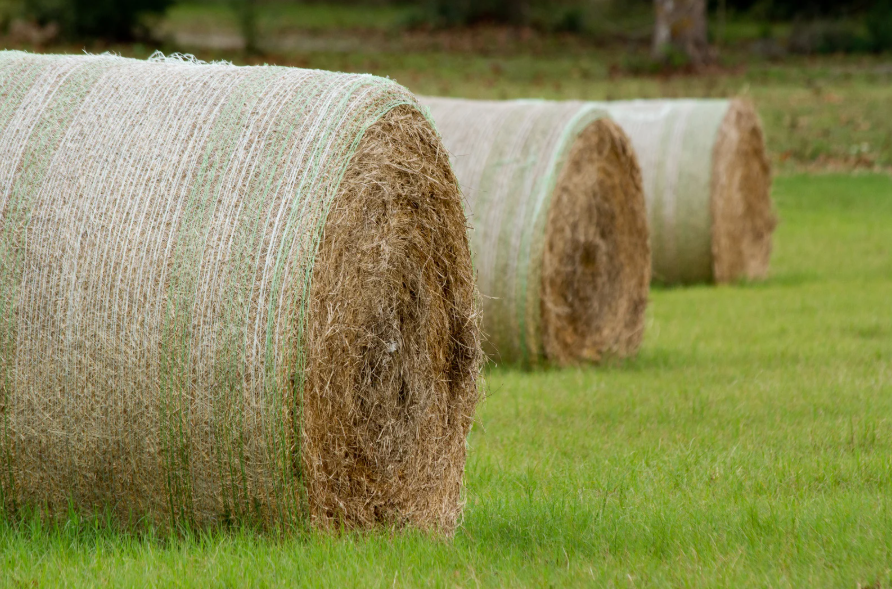
The Biodegradable Net Wrap Comparison Project is a multi-year on-farm study led by CAFLA to test and showcase an environmentally friendly alternative to traditional synthetic net wrap used for baling hay. This innovative product, called Nature’s Net Wrap, is made from plant-based biopolymers instead of petroleum-based plastics. The goal is to evaluate its effectiveness, longevity, and impact on forage quality under real farming conditions...
Read More
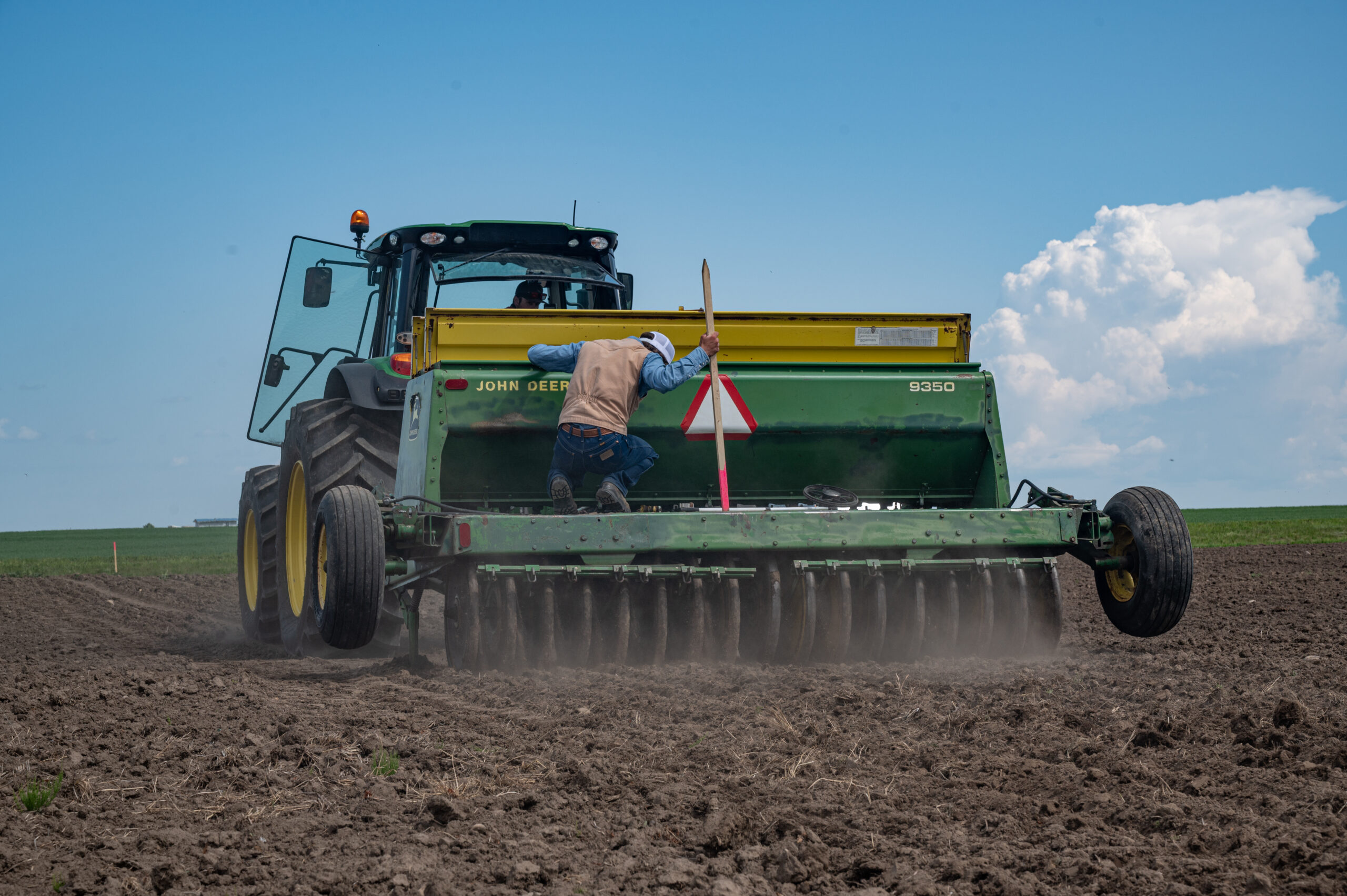
This season, a new series of plots has been designed to examine the effectiveness of swath grazing using annual cereal crops in west-central Alberta. The primary goal of the trial is to evaluate how well different forage species perform under swath grazing conditions and to track how their nutritional value changes over the winter...
Read More
The Biodegradable Net Wrap Comparison Project is a multi-year on-farm study led by CAFLA to test and showcase an environmentally friendly alternative to traditional synthetic net wrap used for baling hay. This innovative product, called Nature’s Net Wrap, is made from plant-based biopolymers instead of petroleum-based plastics. The goal is to evaluate its effectiveness, longevity, and impact on forage quality under real farming conditions...
Read More
This season, a new series of plots has been designed to examine the effectiveness of swath grazing using annual cereal crops in west-central Alberta. The primary goal of the trial is to evaluate how well different forage species perform under swath grazing conditions and to track how their nutritional value changes over the winter...
Read More
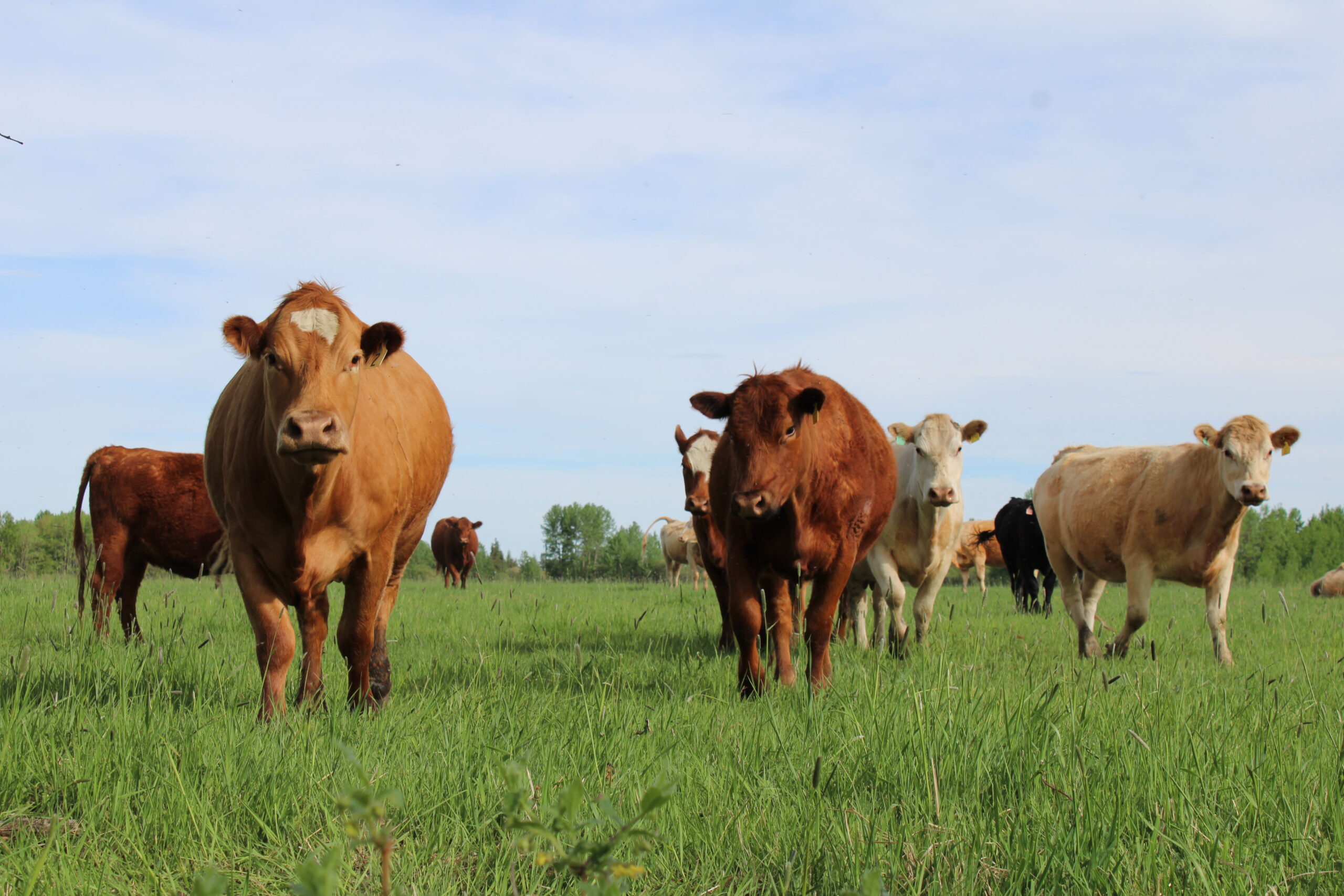
Forage alone often fails to meet the full mineral requirements of beef cattle during the grazing season, particularly for essential trace elements like selenium, cobalt, and iodine, which are commonly deficient in pasture plants. The widespread use of macronutrient fertilizers (N, P, K) can increase forage yield without improving trace mineral levels, potentially worsening imbalances. To address this, the current study analyzes the seasonal and regional variation in forage nutrient content across Alberta, aiming to support more informed and sustainable mineral supplementation decisions for cattle producers...
Read More
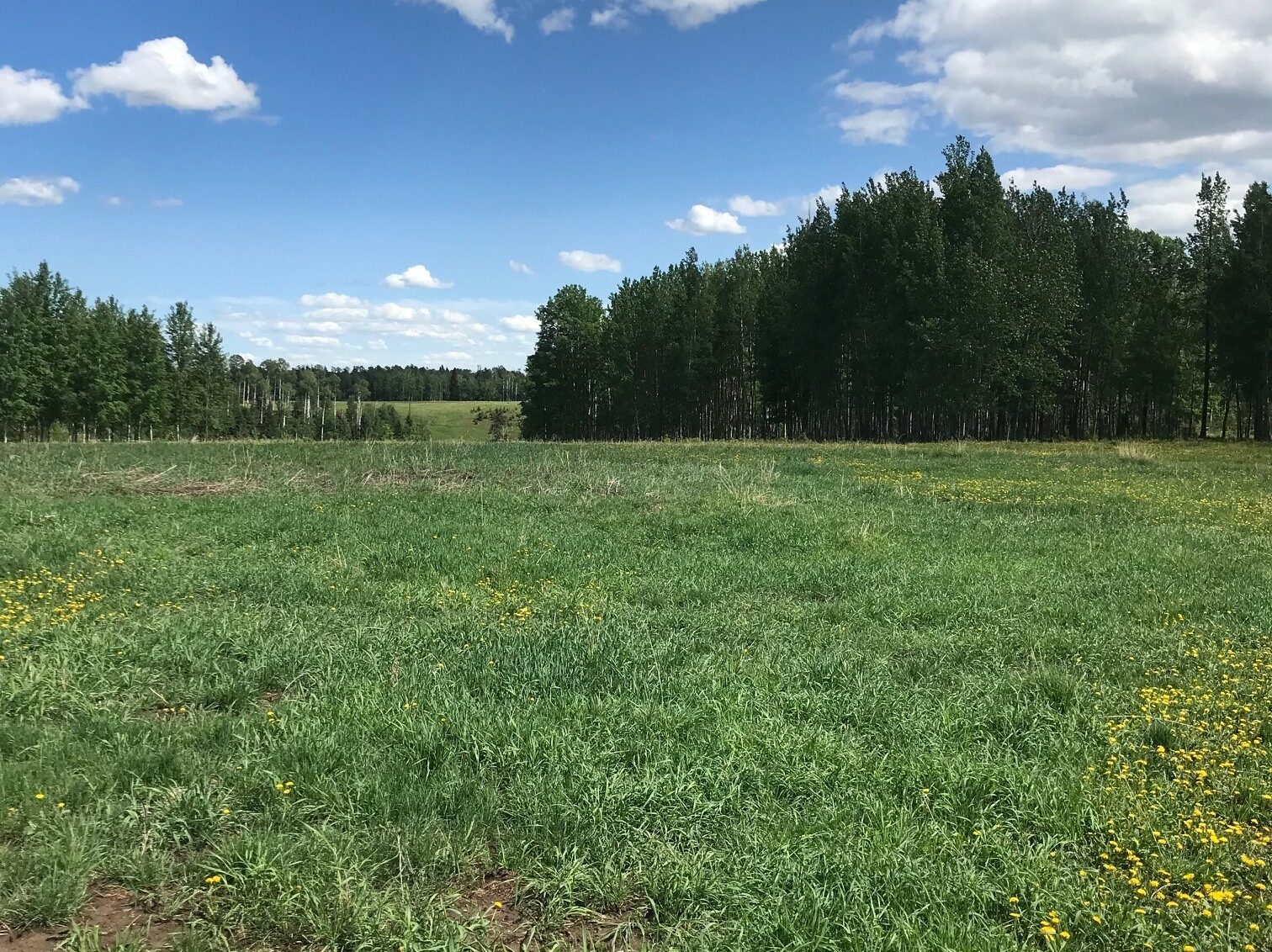
This site is a collaborative effort between Aspen Ranch Canada (James River Bridge, AB) and the CAFLA. Designed as a location that can be used to educate producers, youth, and the public on various agricultural practices surrounding the planting, growth, and harvest of forage and cereal crops, this site serves to showcase these species in their various growth stages, at the same time, highlighting the impact these species can have on soil and microorganism health with multiple objectives...
Read More
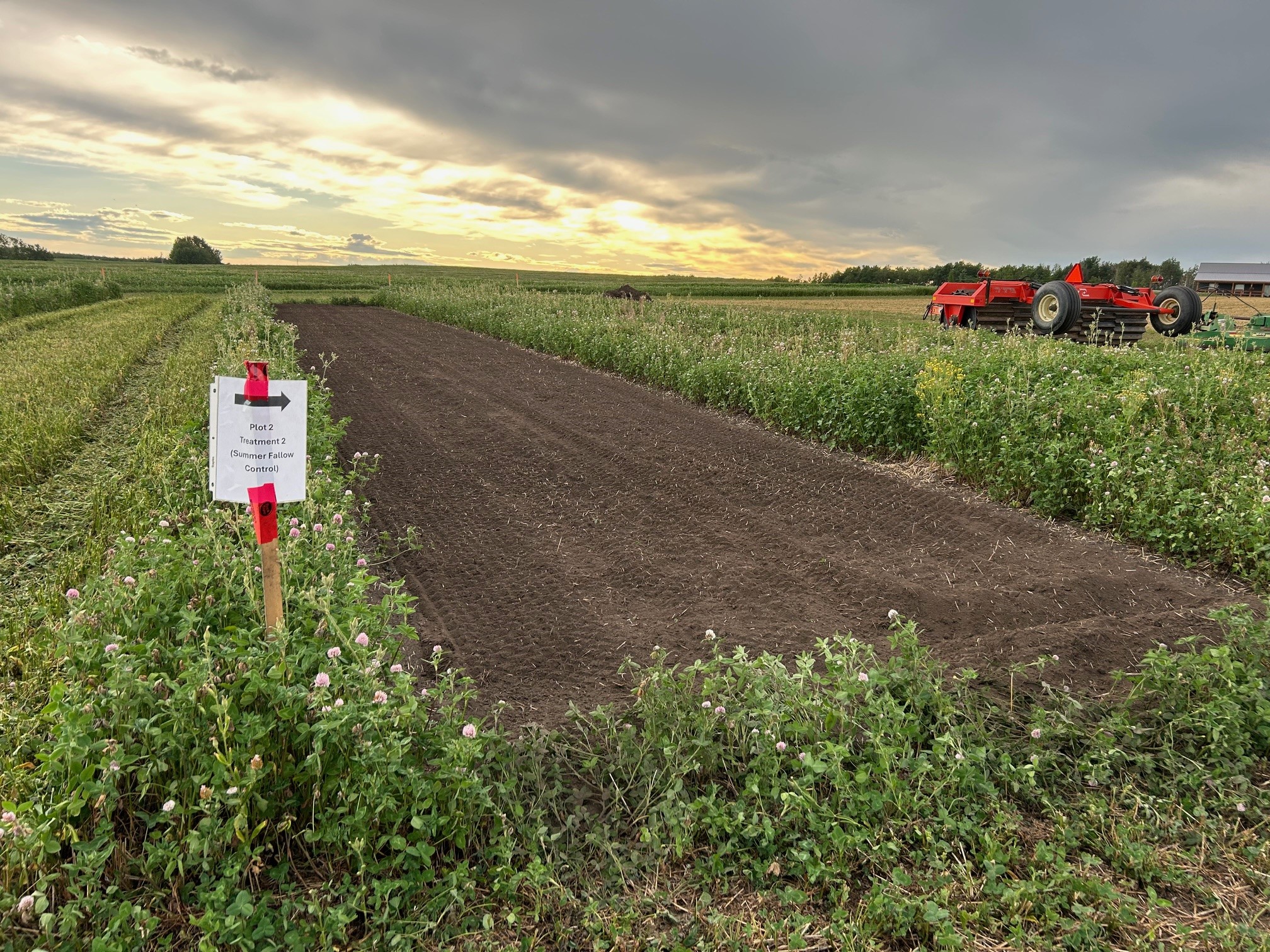
In Alberta’s organic farming sector, managing cover crops without herbicides poses a unique challenge. While cover crops and reduced tillage are known to improve soil health and crop yields, terminating high biomass cover crops can be difficult without relying on repeated tillage—a practice that risks long-term soil degradation...
Read More
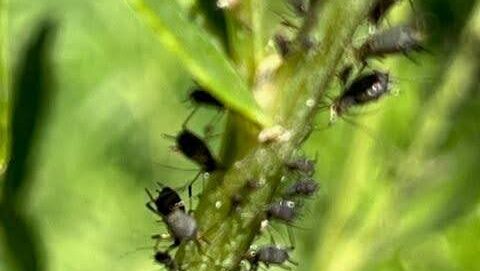
Canada Thistle is a highly invasive, noxious weed under the Alberta Weed Control Act. Known for its aggressive spread via seeds and lateral roots, it poses a long-standing challenge for farmers and ranchers across the province. Traditional control methods like spraying, mowing, grazing, and burning are often ineffective or impractical—especially in hard-to-reach areas such as riparian zones, fence lines, and waste areas. One promising approach is the use of biological control, including insect species specifically introduced to target and suppress Canada Thistle populations...
Read More